
You’re standing in the flooring aisle, staring at samples. Luxu vinyl plank on one side, porcelain tile on the other. Both look good in the display. Both promise durability. Both fit your budget, more or less.
So which one actually holds up in Arizona homes?
Let’s talk about what happens after installation, when your floors face the reality of Glendale and Avondale living. The heat. The dirt tracked in from the backyard. The kids are dropping toys. The pets. The pressure of daily life.
The Heat Factor Nobody Mentions
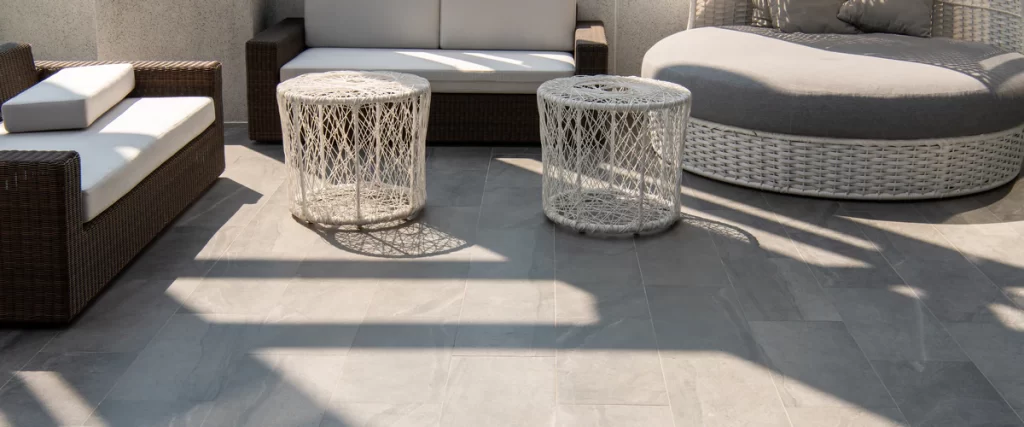
Arizona summers do things to flooring that most product websites conveniently skip over. When temperatures hit 115°F outside, your garage floor might reach 140°F. Even inside, floors near sliding doors or large windows take a beating from radiant heat.
Porcelain tile handles this without complaint. The material was literally designed in kilns hotter than any Phoenix summer. LVP, even high-quality LVP with a thicker wear layer, is still vinyl. It expands and contracts. Over time, that means seams can become visible. Planks can separate slightly. The floor you installed in February might look different by August.
Nobody wants to watch their floor change shape with the seasons.
What Actually Happens in High Traffic Areas
Your kitchen floor, the hallway to the bedrooms, the area by the back door where everyone kicks off their shoes. These spots reveal the truth about flooring materials faster than any showroom comparison.
Luxury vinyl plank lvp has a protective layer on top. That wear layer determines how long your floor looks good under foot traffic. Thickness matters here, and even the best LVP wears down eventually. You’ll notice it first where chairs slide, where pets run, where shopping bags get dropped.
Tile just keeps going. Scratches that would damage LVP flooring barely register on porcelain. The surface stays intact. Years from now, your high traffic areas look the same as the spots nobody walks on.
| Performance Factor | Tile | LVP |
| Heat resistance | Excellent | Moderate (can warp) |
| Scratch resistance | Superior | Good (depends on wear layer) |
| Lifespan | 50+ years | 10-20 years |
| Resale value impact | High | Neutral |
| UV resistance | Complete | Moderate (can fade) |
| Pet damage resistance | Excellent | Fair to good |
The Money Conversation
High quality lvp costs less upfront. That’s the main selling point. You save money now, and the floor looks decent for several years.
But let’s do the actual math. Good LVP might last 15 years before it needs replacement. Tile lasts 50 years, often longer. Over the life of your home, you’re replacing vinyl three or four times for every tile floor you install once.
The cost comparison only works if you ignore time. Factor in inflation, future installation costs, and the hassle of ripping out and replacing flooring multiple times, and tile wins by a significant margin. Wondering what your specific project might run?
Maintenance Reality Check
People choose luxury vinyl plank because they think it’s easier to clean. In theory, smooth surfaces should be simple. Just sweep and mop.
In practice, vinyl scratches collect dirt. Those micro-scratches you can’t see with your eyes become visible when dust settles into them. Suddenly, your floor looks dingy even right after cleaning.
Tile sealed properly stays cleaner with less effort. Spills wipe up without leaving marks. Dirt doesn’t embed itself into the surface. Even grout, which everyone worries about, cleans more easily than damaged vinyl.
You spend less time worrying about cleaning tile than you do trying to make worn lvp look presentable again.
When Kids and Pets Enter the Picture

Toys get dropped. A lot. Wooden blocks, metal cars, plastic dinosaurs, all of them landing on your floor from various heights throughout the day.
LVP dents. Sometimes the dents bounce back. Sometimes they don’t. Either way, you’re constantly aware that your floor has limits. You watch the kids play and cringe a little when something heavy hits the ground.
Tile doesn’t make you worry. Drop whatever you want. The floor can handle it. That difference in daily stress adds up over years of living in your home.
Pets present similar challenges. Dog nails clicking across lvp gradually wear down the wear layer. Accidents, and they happen, can seep into seams if the installation wasn’t perfect. Tile takes all of it without complaint.
The Installation Story
Vinyl proponents love to talk about easier installation. Click together planks, no grout, faster finish. For a basement or a room you barely use, maybe that makes sense.
For main living areas in Arizona homes? The installation ease of LVP often comes back to haunt you. Those seams where planks meet can separate with heat exposure. The subfloor preparation matters more than installers sometimes admit. Any imperfection telegraphs through vinyl eventually.
Tile installation takes longer and requires more skill. That’s actually a good thing. The process itself creates a more permanent, stable floor. You’re not just laying something on top of your subfloor; you’re building a surface that becomes part of the house structure.
Resale Reality in Glendale and Avondale
Buyers shopping for homes in Glendale and Avondale have seen plenty of both tile and lvp. They know which one ages better.
Walk through a 10-year-old home with tile, and the floors still look new. Walk through a 10-year-old home with vinyl, and you can immediately tell it needs updating. That perception affects how buyers value your home.
Real estate listings showcase tile as a feature. They mention LVP flooring as a neutral fact, if they mention it at all. When you’re ready to sell, flooring can add value or create objections. Tile adds value. Worn vinyl creates objections.
Arizona’s Registrar of Contractors requires licensed professionals for many types of flooring installation, particularly when it involves structural changes. Working with licensed contractors protects your investment and ensures your floors meet local building standards, something that matters when you eventually list your property.
The Comfort Question
Here’s where vinyl fans make their strongest case. LVP feels softer underfoot. It’s true. Stand on vinyl for five minutes, then stand on tile for five minutes, and your feet prefer the vinyl.
But comfort means more than initial feel. Comfort includes not worrying about damage. Comfort means your floor looks the same after five years as it did on installation day. Comfort is knowing you made a choice that won’t need correction later.
Tile might feel harder initially, but rugs solve that for areas where you stand frequently. Many homeowners add cushioned mats in kitchens or use area rugs in living spaces anyway. The brief adjustment period of getting used to tile gives you decades of not thinking about your floors again.
Special Challenges in Bathrooms and Kitchens
Water happens in bathrooms and kitchens. Lots of it. Steam from showers, spills while cooking, leaks from appliances.
Even waterproof LVP has vulnerable points at the seams. Water that sits too long can find its way underneath. Once that happens, you might not know until you have a problem big enough to require repairs.
Tile, properly installed with appropriate waterproofing underneath, creates a true moisture barrier. The tiles themselves are completely waterproof. Sealed grout handles normal exposure without issues. For kitchens and bathrooms, tile simply makes more sense than hoping your lvp installation was perfect enough to handle years of moisture exposure.
If you’re planning updates to wet areas specifically, take a look at our guide covering slip-resistant tile options for bathroom safety.
The Refinishing Problem
LVP can’t be refinished. Once the wear layer wears through, your only option is replacement. You’re starting from zero.
Tile can be restored. Grout can be recolored or replaced. Individual damaged tiles can be swapped out. The material allows for repairs that extend its life indefinitely. You’re never forced into a complete replacement unless you simply want a different look.
That flexibility matters more as years pass. The ability to refresh tile without replacing it saves money and maintains your home’s value simultaneously.
Environmental Considerations
Manufacturing vinyl creates environmental concerns that tile avoids. Vinyl production involves petrochemicals and processes that release compounds during manufacturing. Even after installation, some vinyl continues off-gassing for months.
Tile is essentially baked earth. Clay or porcelain fired at high temperatures. The environmental impact happens during production, and then it’s done. No ongoing emissions in your home.
For families concerned about indoor air quality, tile provides assurance that LVP can’t match. Your floor isn’t releasing anything into your home’s air years after installation.
Making Your Choice
We’ve covered a lot. Heat damage. Scratch resistance. Long-term costs. Resale value. Pet durability. Maintenance. Bathroom performance.
The pattern is consistent. Tile outperforms LVP in virtually every category that matters for Arizona homes. The only advantage vinyl offers is lower initial cost and a softer feel. Those benefits disappear within a few years as the floor wears and you realize you’ll be replacing it eventually.
If you’re shopping on price alone and plan to move soon, LVP might work. For everyone else building a home they’ll live in for years, tile makes more sense financially, practically, and aesthetically.
FAQ: Your Tile vs LVP Questions
Does luxury vinyl plank hold up in Arizona heat?
LVP can handle normal indoor temperatures, but Arizona’s extreme heat creates challenges. Vinyl expands and contracts more than tile, leading to visible seams over time, especially near windows and doors where heat exposure is highest. Garages and sunrooms are particularly problematic for vinyl.
How long does tile flooring actually last?
Properly installed tile can last 50 years or more. Many homes built in the 1970s still have their original tile in excellent condition. The material itself doesn’t degrade like vinyl’s wear layer does. Grout may need occasional resealing or replacement, but the tiles themselves remain intact.
Is the wear layer thickness on LVP really that important?
Yes. The wear layer determines how long your floor looks good under daily use. Thicker wear layers resist scratches and dents better, but even the thickest wear layers available on residential LVP will eventually show damage in high-traffic areas. Once damaged, there’s no way to repair just the wear layer.
Can you install tile yourself or do you need a professional?
While DIY tile installation is possible, professional installation ensures proper waterproofing, level surfaces, and appropriate spacing for Arizona’s temperature swings. Poor tile installation causes more problems than poor vinyl installation because mistakes are permanent. Hire licensed contractors who understand local building requirements.
What about the cold feeling of tile in winter?
Arizona winters are mild, so cold floors are rarely an issue. For morning comfort, area rugs in bedrooms and cushioned mats in kitchens solve any temperature concerns. Many homeowners actually prefer tile’s coolness during hot months, making it comfortable year-round.
Does grout really require that much maintenance?
Modern grout sealers last for years between applications. Routine cleaning involves wiping with a regular floor cleaner, the same effort required for vinyl. Sealed grout resists staining and stays clean with normal household maintenance. The “high maintenance” reputation of grout is outdated.
Will tile increase my home’s resale value more than LVP?
Yes. Buyers see tile as a permanent, quality feature. They see vinyl as something that will need replacement. In competitive markets, homes with tile often sell faster and command higher prices than comparable homes with vinyl, especially in kitchens and bathrooms.
When the Decision Feels Overwhelming
Reading about wear layers and heat resistance and resale values probably made your flooring decision feel more complicated, not less.
You started this process wanting new floors. Maybe you’re tired of looking at what you have. Maybe you’re preparing to sell. Maybe you’re finally tackling that remodel you’ve been planning for years. Whatever brought you here, you probably didn’t expect to become an expert on tile versus vinyl.
The research phase gets exhausting. You read articles, watch videos, visit showrooms, and get samples. Everyone has an opinion. Every source contradicts the last one. Meanwhile, your current floors still look terrible, and you’re no closer to a decision.
Here’s what actually helps: talking to someone who’s installed both tile and LVP in dozens of Arizona homes. Someone who knows what holds up and what fails. Someone who’s seen ten-year-old installations of both materials and can tell you honestly how they aged.
At Offcut Interiors, we’ve worked with property owners throughout Glendale and Avondale who faced this exact choice. Some chose tile. Some chose vinyl. We installed what they wanted. Then we watched what happened over the years. That experience taught us which material works better for different situations, and honestly, tile wins in most cases for permanent residences.
We handle the entire process: helping you pick the right tile, managing the installation timeline, ensuring everything meets local code requirements. Our whole-home remodeling services include flooring as part of comprehensive renovation projects, or we can focus just on floors if that’s all you need.
Ready to stop researching and start installing? Call us at (480) 999-6134 or message us here. Let’s talk about what works for your specific home, budget, and timeline. Sometimes the best decision comes from a 15-minute conversation, not another hour of internet research.