
Phoenix tap water is some of the hardest in the United States, with hardness levels sitting between 12 and 17 grains per gallon.
That means the calcium and magnesium ions running through your pipes right now are quietly coating your shower walls, clouding your glass doors, wearing down your fixtures, and slowly working against your plumbing. The good news is that mineral buildup is preventable. You just need to understand what you’re dealing with and pick the right solution for your home.
Why Phoenix Water Hits So Hard
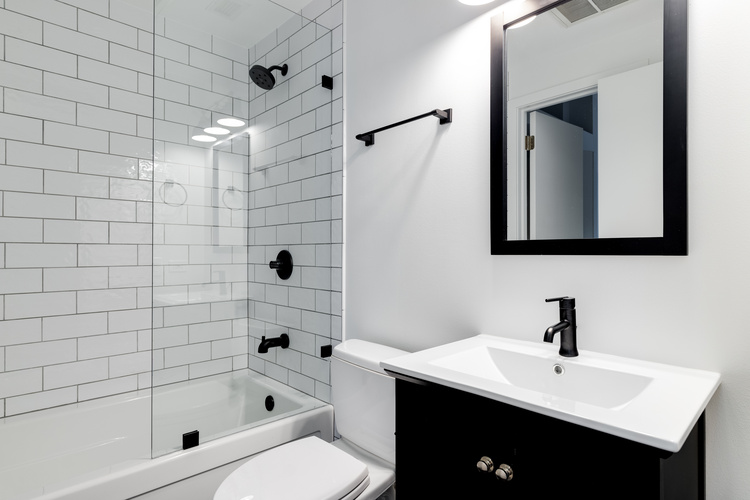
The water flowing into Phoenix homes comes primarily from the Colorado River, the Salt River, and the Verde River. As those waters travel toward Phoenix’s treatment plants, they pick up calcium and magnesium from the soils they pass through. By the time it reaches your showerhead, it’s carrying a significant mineral load. According to the City of Phoenix’s 2024 Water Quality Report, total hardness in Phoenix drinking water ranges from 9.2 to 20.1 grains per gallon, placing it among the hardest municipal water supplies in the country.
Hard water isn’t a health risk, but it absolutely is a home maintenance problem.
What Hard Water Actually Does to Your Shower
Scale buildup is the most visible consequence. Calcium and magnesium ions leave behind dissolved minerals every time water evaporates off a surface, and showers are one of the worst spots for this. What you see as a stubborn film on your shower doors is really a layer of calcium deposits slowly hardening.
Left alone, here’s what follows:
- Shower doors and glass develop a hazy, white coating that gets harder to remove over time
- Showerheads and faucets develop mineral deposits that restrict water flow and reduce water pressure
- Grout lines and tile surfaces trap leftover residue and become breeding grounds for soap scum
- Water heaters accumulate scale on heating elements, forcing them to work harder and use more energy
- Plumbing fixtures throughout your home develop internal scale that can eventually clog pipes
The effect on appliances is real. When minerals coat the inside of a water heater or washing machine, those systems need more energy to do the same job. That means higher utility bills over time, and a shorter lifespan on appliances that were supposed to last a decade or more.
There’s also the personal side of it. Itchy skin and dull, dry hair after a shower aren’t random. Hard minerals strip away natural oils from skin and hair, and the soap scum left behind doesn’t rinse off cleanly. Softer water genuinely makes a difference in how you feel after washing.
A Quick Look at Your Options
| Solution | How It Works | Best For |
| Whole house water softener | Ion exchange system swaps calcium and magnesium ions for sodium ions | Full household protection |
| Salt-free conditioners | Conditions minerals so they don’t stick, without removing them | Those on low-sodium diets or light scale issues |
| Reverse osmosis system | Filters dissolved minerals and other contaminants at the point of use | Drinking water quality |
| White vinegar rinse | Dissolves existing calcium deposits on surfaces | Immediate, surface-level cleaning |
| Shower head filter | Reduces mineral heavy water at the showerhead | Budget-friendly, targeted fix |
The Real Fix vs. The Quick Fix
White vinegar is a popular cleaning solution for mineral buildup on shower doors and fixtures, and it works. Soaking a showerhead in a vinegar solution overnight will break down calcium deposits and restore water flow. It’s cheap, it’s easy, and it handles the visual mess.
But it doesn’t address the source.
A whole house water softener is the only long-term fix for homes dealing with a constant problem like Phoenix’s water supply. A traditional ion exchange system removes calcium and magnesium ions before they enter your plumbing, replacing them with sodium ions. The result is softer water throughout the entire home, which protects your water heater, washing machines, plumbing systems, and yes, your shower.
Salt-free systems are worth considering if sodium intake is a concern. They don’t remove minerals the same way, but they condition the water so minerals build up less aggressively on surfaces. They’re gentler on the environment too.
For drinking water specifically, a reverse osmosis system is worth pairing with your softener. It handles other contaminants beyond hardness and gives you clean, filtered drinking water without relying on bottled water.
If you want to understand which materials hold up best against mineral heavy water in showers before committing to a full remodel, our blog comparing shower panels vs. tiles walks through how each handles moisture, scale, and long-term maintenance. And if you’re wondering whether your current shower surfaces are making the hard water problem worse, this piece on solid surface shower walls vs. tile covers exactly that.
Protecting Your Shower Day-to-Day

Even with a water treatment system in place, a few habits go a long way:
- Squeegee shower doors after every use to prevent mineral deposits from drying on glass
- Run your bathroom exhaust fan during and after showers to reduce humidity that accelerates soap scum buildup
- Apply a water-repellent glass treatment to shower doors every few months
- Clean showerheads monthly with a vinegar solution before the scale has a chance to restrict water flow
- Inspect grout and caulk lines regularly, since mineral-heavy water accelerates their breakdown
FAQ
Is Phoenix hard water actually damaging my plumbing right now? Most likely, yes. Scale builds up gradually inside pipes and on heating elements. You may not notice it until water pressure drops or your water heater starts costing more to run.
Do salt-free conditioners work as well as a traditional water softener? They reduce scale buildup effectively, but they don’t soften water the way an ion exchange system does. If itchy skin and hair feel are your main complaints, a traditional softener will do more for you.
Can I just use filtered pitchers or bottled water instead? That handles drinking water quality but does nothing for your shower, plumbing fixtures, or appliances. The mineral content in your water supply affects your whole home, not just what you drink.
How do I know how hard my water actually is? You can buy inexpensive water hardness test strips online or request a report from the City of Phoenix Water Services Department, which publishes annual data on mineral content, total dissolved solids, and water quality across the city.
Honestly, There’s an Easier Way
Reading through water treatment systems, ion exchange setups, reverse osmosis installations, and maintenance routines is a lot. If what you actually care about is having a shower that looks clean, functions well, and doesn’t require a chemistry degree to maintain, the more direct path is a bathroom remodel done right.
Choosing the right surfaces, fixtures, and materials from the start makes a real difference in how hard water affects your shower over time. Some materials resist scale naturally. Some designs are far easier to keep clean. And when you’re already dealing with costly repairs from years of mineral damage, a fresh start often makes more sense than patching.
Take a look at our Phoenix bathroom remodeling services to see what’s possible. Or if you’d rather just talk it through, call us at (480) 999-6134 or message us here. We know Phoenix water, and we know how to build showers that hold up to it.