
Living in Peoria means dealing with serious heat during the summer months. When temperatures climb past 100 degrees, even your floors can feel uncomfortably warm underfoot. If you have tile in your Arizona home, you’re already ahead of the game compared to carpet or hardwood, but there are still smart ways to maximize those natural cooling properties and keep your living space comfortable all season long.
Tile has always been popular in hot climates for good reason. The material stays cooler than most flooring options because it doesn’t absorb and retain heat the way wood or carpet does. But even the best porcelain tile can warm up when your house bakes in extreme heat day after day.
Why Tile Floors Work Well in Hot Weather
Ceramic tiles and porcelain tiles have natural advantages over other flooring materials. They’re heat-resistant and water-resistant, which makes them perfect for busy households in places like Peoria. Unlike hardwood floors that can warp with temperature changes and indoor humidity, tile maintains its durability year-round.
The cooling effect happens because tile is dense. It doesn’t trap heat the way porous materials do. Walk from carpet to tile on a hot afternoon and you’ll feel the huge difference immediately. That’s why bathrooms and kitchens in Arizona homes almost always feature tile.
Porcelain and ceramic tiles are also low-maintenance. You won’t spend your summer activities scrubbing or worrying about wear from foot traffic. A quick mop keeps them looking great, and they handle high traffic areas without showing the kind of damage you’d see with laminate or wood.
Simple Ways to Keep Your Tile Cooler
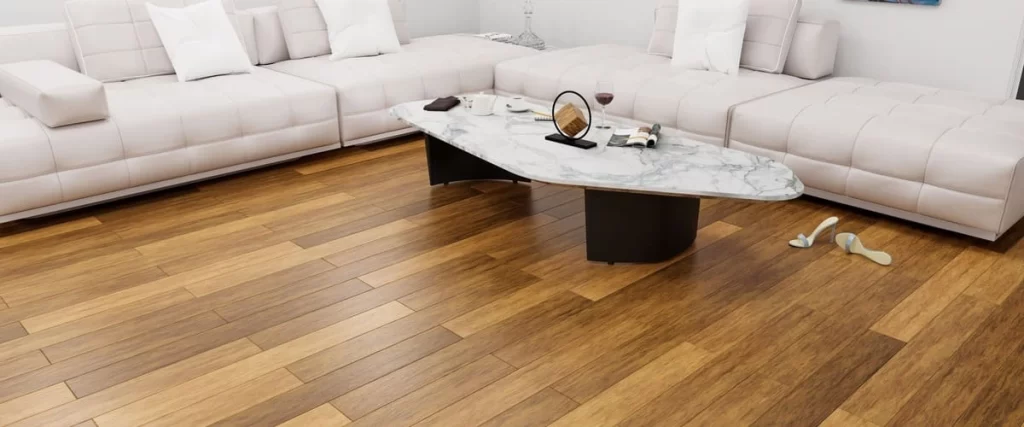
You don’t need costly repairs or a complete renovation to improve how cool your floors stay. Start with the basics.
Close your blinds and curtains during peak sunlight hours. Direct sunlight streaming through windows heats up everything it touches, including your tile. Windows that receive direct sunlight between 10 a.m. and 4 p.m. are the biggest culprits. Even natural light feels wonderful, but too much exposure during the hottest days will raise your indoor temperature and force your AC units to work overtime.
Use area rugs strategically. This might sound counterintuitive since rugs insulate, but placing them in spots where you walk most often gives your feet a break from warm tile. High traffic areas like hallways or the space between your kitchen and living room benefit from a runner or small rug. Just make sure they’re not creating moisture traps underneath. In Peoria’s dry climate, this is less of a concern than in humid places, but you still want floors dry to avoid any issues.
Keep ceiling fans running. Moving air makes any space feel cooler, and the breeze helps pull heat away from your floor’s surface. Set fans to spin counterclockwise in summer so they push air down. This improves indoor air quality by keeping air circulating and prevents hot spots from forming in rooms.
Floor Maintenance That Makes a Difference
Clean grout lines regularly. Dirty grout absorbs more heat than clean grout. It might seem like a small detail, but when you’re trying to stay comfortable in 110-degree weather, every bit helps. A scrub brush and some basic cleaner will do the job. For tougher stains, a paste of baking soda and water works wonders.
Seal your grout. Regular sealing protects against moisture and dust while keeping those lines looking fresh. Sealed grout also reflects heat better than unsealed grout, which tends to get darker and more heat-absorbent over time. Most grout needs resealing every year or two, depending on foot traffic.
Mop with cool water. Hot water won’t hurt your tile, but cool water can actually help lower the surface temperature slightly. It’s a small thing, but it adds up.
Managing Indoor Temperature and Energy Efficiency
Your air conditioning does most of the heavy work, but you can help it out. Keep your home at a comfortable temperature without cranking the AC so low that your energy bills go through the roof. According to the U.S. Department of Energy, setting your thermostat to 78 degrees when you’re home strikes a good balance between comfort and energy efficiency.
Make sure vents aren’t blocked by furniture. Good airflow keeps rooms at an even temperature and prevents your flooring from getting warmer in some spots than others. Uneven fading can happen when certain areas get more heat exposure than others, though tile handles this better than most flooring types.
Consider what’s happening outside your house too. If you have dark roof materials or dark exterior walls, they’re absorbing heat that eventually makes its way inside. While you can’t change your roof overnight, adding shade structures or planting trees near windows that receive prolonged exposure can help reduce how much heat enters your living space.
The Role of Humidity and Air Quality

Peoria isn’t known for high humidity, but controlling indoor moisture still matters. Too much moisture creates an uncomfortable, sticky feeling even when temperatures aren’t that high. Too little makes the air feel harsh and dried out.
Tile naturally helps absorb moisture in bathrooms and kitchens. That’s part of why it works so well in these rooms. But maintaining balanced indoor humidity throughout your house improves how cool everything feels. Most people find 30 to 50 percent humidity comfortable.
To improve indoor air quality, change your HVAC filters regularly. Dust and debris clog filters, which makes your system work harder and less efficiently. A struggling AC unit means warmer rooms and warmer floors. Fresh filters keep air moving properly and help maintain that cooling effect you want.
Choosing the Right Flooring Type for Future Projects
If you’re thinking about updating rooms that still have carpet or hardwood, switching to tile makes sense in Arizona homes. Natural stone like travertine or slate offers beauty along with cooling properties, though it typically requires more maintenance than standard ceramic tiles. Porcelain tile gives you durability and stays cooler with less upkeep.
Different flooring types handle heat differently. Carpet insulates and traps heat. Laminate can warp with temperature swings. Wood expands and contracts. Tile just stays in top shape no matter what summer throws at it.
High temperatures and UV rays can fade some materials over time. Tile resists UV exposure better than most options, which means your floors will look good for years without worrying about sun damage.
When Professional Help Makes Sense
Maybe you’ve read through all these tips and realized you’d rather have someone else handle your flooring needs. That’s completely understandable. Between work, family, and trying to enjoy summer before it’s over, you have better things to do than worry about grout lines and maintenance schedules.
If your current tile has seen better days, or if you’re ready to upgrade spaces that still have less practical flooring materials, that’s where we come in. We work with Peoria homeowners who want beautiful, functional floors that actually stand up to our climate. Tile installation done right makes a real difference in how comfortable your house feels when the heat hits.
You shouldn’t have to spend your summer fighting with uncomfortable floors. Life’s too short for that, especially when there are pools to enjoy and time to spend with people you care about.
Ready to make your home cooler and more comfortable? Call us at (480) 999-6134 or message us here to talk about your flooring options. We’ll help you figure out what works best for your space, your budget, and your lifestyle. And if you’re thinking bigger picture about updating your kitchen or other areas, check out our kitchen remodeling services to see how we can transform your space into something that looks great and functions even better in Peoria’s demanding climate.