
The fastest way to avoid change orders during a kitchen or bathroom remodel is to prioritize detailed planning before construction begins. Every layout, every material, every fixture, and every finish needs to be documented in writing in your original scope before work begins. Most homeowners hand a contractor a vague vision and start making decisions as construction unfolds, which is exactly how unexpected change orders pile up, and timelines slip.
Below is a working guide to what change orders actually are, why they happen on remodeling projects, and the specific habits that prevent the avoidable ones.
What a Change Order Actually Is
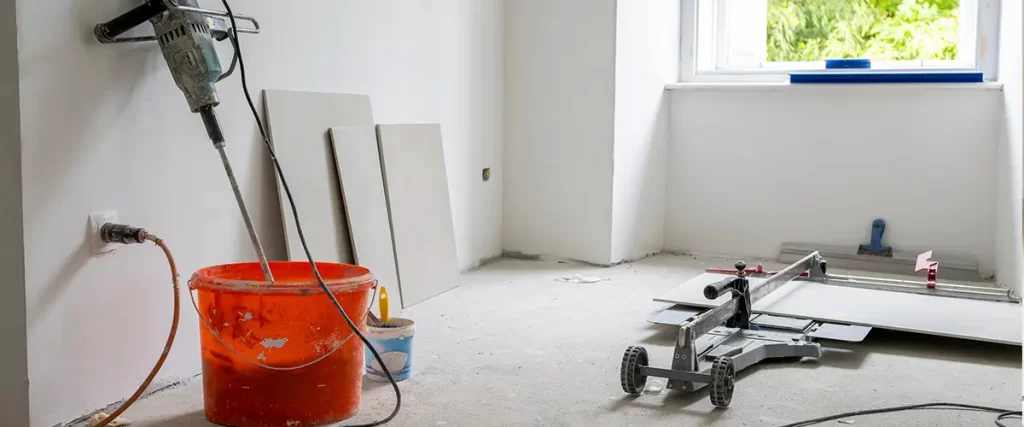
A change order is a formal written modification to your original scope of work, with corresponding adjustments to cost, timeline, or both. Change orders are a normal part of the construction process and exist for legitimate reasons. Your general contractor isn’t trying to inflate the budget when one comes up. The system is genuinely structured so that any work outside the agreed scope gets documented in writing, priced, and approved before proceeding.
The real problem isn’t the change orders themselves. It’s the number of avoidable ones most homeowners walk themselves into through poor pre-construction planning, vague initial proposals, and decisions made on the fly during the entire process.
The Two Categories of Change Orders
Most change orders on a remodel fall into one of two categories that get handled completely differently in practice.
Avoidable change orders come from homeowner-initiated decisions made after the contract is signed. The cabinet style swap. The tile pattern you reconsidered after the demo. The fixture you upgraded mid-project. These layout changes and design changes add up fast and often cost more than they would have if specified upfront, because the contractor is now working around an active job site rather than incorporating decisions during the planning phase.
Unavoidable change orders come from unforeseen circumstances discovered during construction. Outdated wiring that doesn’t meet current code. Water damage hiding behind a wall. Plumbing that isn’t where the original plans assumed. Subfloor rot under the tile. The Department of Housing and Urban Development’s homeowner resources note that older homes built before 1980 are particularly prone to these unforeseen conditions, where original construction practices don’t match modern code requirements.
Your goal isn’t to eliminate change orders completely. The avoidable category is what you can control. The unavoidable category gets minimized with thorough pre-construction inspection and a realistic contingency, but never disappears entirely.
Common Reasons Avoidable Change Orders Happen

These are the predictable failure points where homeowners create their own change orders. Walk through them honestly before you sign anything:
- Indecisive material selections that get finalized after construction starts instead of during the planning phase
- Vague layout decisions that leave room for assumption-driven adjustments mid-project
- Last-minute “while you’re at it” additions like an extra outlet, an additional can light, or a door swap
- Material substitutions after the original order has been placed
- Layout changes requested after walls have already been demolished or framed
- Unclear scope of work in the original contract, where anything not specified in writing creates room for added costs
The common thread across all of these is the same: decisions made after construction begins instead of before. A successful project pushes every important detail to the front end.
The Pre-Construction Checklist That Protects Your Budget
The work that needs to happen before your contractor’s crew arrives looks like this. Skipping any of it sets up change orders you’ll pay for later.
| Item | What Needs To Be Documented |
| Layout | Final floor plan with exact dimensions in writing |
| Cabinetry | Brand, style, finish, hardware, and quantities specified |
| Countertops | Material, color, edge profile, and slab selected |
| Tile | Pattern, grout color, layout direction confirmed |
| Plumbing fixtures | Specific faucets, showerheads, sinks, and toilets selected |
| Lighting | Fixtures selected and locations marked on plans |
| Electrical | Outlet locations, switch positions, dedicated circuits documented |
| Appliances | Models confirmed, dimensions verified, delivery scheduled |
| Paint | Specific colors confirmed for every surface |
| Permits | Filed and approved before construction starts |
If any item on this list is still “we’ll decide later,” you’re setting up a change order. Get everything documented in writing during planning, not during construction.
Where Unforeseen Issues Hide in Older Homes
Most unavoidable change orders trace back to a small set of common discoveries during demo. Knowing what they are helps set realistic expectations:
- Outdated wiring, including aluminum wiring, knob-and-tube, and ungrounded circuits that don’t meet current code
- Galvanized plumbing that needs replacement, plus drain lines that don’t slope correctly
- Water damage behind vanities, inside walls, or beneath flooring from slow leaks that went unnoticed for years
- Subfloor rot under existing tile or vinyl that creates uneven surfaces requiring remediation
- Code-compliance issues with HVAC, ventilation, or electrical panels that surface during permit inspections
For older homes, especially, set aside a 15-20% contingency budget for unforeseen conditions. A project that doesn’t use the contingency comes in under budget. A project that does need it doesn’t derail.
For more on how to plan a successful remodel from the beginning, our remodel preparation blog covers the steps that matter most in the months before work begins.
How a Detailed Contract Protects You
Your construction contract is where change order risk actually gets managed. A strong contract includes:
- Detailed breakdown of the project scope, with finishes, fixtures, and dimensions specified
- Allowances for any items not yet selected, with clear protocols for staying within them
- The change order process spelled out, including how necessary adjustments get approved, documented, and priced
- A contingency budget for unforeseen conditions with clear protocols for using it
- A complete timeline with start and completion dates
- Payment milestones tied to specific phases of work
- A communication plan for how your project manager will keep you updated
If your contract is vague on any of these, transparency goes out the window and the right approach to change orders becomes harder to enforce.
Common Questions Homeowners Ask About Change Orders
Are change orders always bad?
No. Some are the right call, whether you’ve decided to upgrade something or because an unforeseen issue genuinely needs addressing. The goal isn’t zero change orders. It’s no avoidable ones.
How much should I budget for unforeseen conditions?
A 15-20% contingency on top of the contracted price is standard. Older homes lean toward the higher end. Newer construction typically needs less.
What if my contractor pushes a change order I don’t agree with?
Get clarity in writing on why it’s needed, what the cost is, and how it changes the timeline before approving anything. A reputable general contractor will document everything and won’t proceed without your written approval.
How can I handle change orders fairly when they do come up?
The contract should define the process. Clear communication, documented agreement on cost and scope, and approval before work proceeds are non-negotiable for fair handling.
Do design-build firms have fewer change orders than hiring separate contractors?
Generally yes. The same team designing your remodel is the one building it, so design decisions account for construction realities from the start. Our blog on design-build vs hiring separate contractors covers this comparison in detail.
Should I just accept that change orders will happen?
For unavoidable hidden conditions, plan for them. For everything else, refuse to accept them as inevitable. Most change orders on a kitchen remodel or bathroom remodel are preventable with thorough pre-construction planning, clear communication, and a contract that gets all the important details in writing.
A Smart Move on a Complex Project
You can spend three months trying to lock down every decision on your own, or you can sit down with a team that’s done this hundreds of times and walk out with the planning already complete.
A consultation usually produces more clarity than weeks of independent research, especially when the contractor handling your project is the same one drawing the plans and pricing the work.
Call us at (480) 999-6134 or message us here to schedule the consultation.