
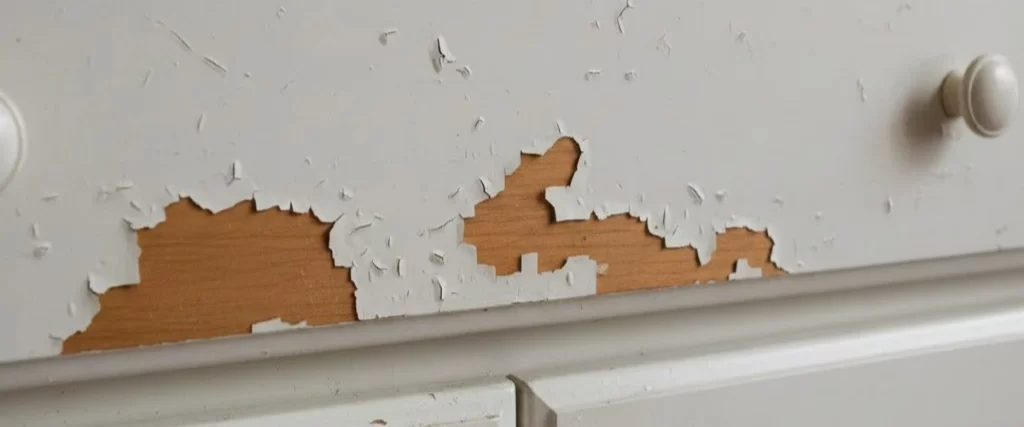
You walk into your kitchen one morning and notice the edges of your cabinet doors starting to lift. A month later, the peeling has spread. The finish looks bubbled in spots, and what used to be smooth surfaces now feel rough under your fingers.
Arizona’s climate does things to cabinets that homeowners in other states never experience. The combination of extreme heat, intense UV rays, and low humidity creates unique challenges for kitchen cabinets. Understanding why this happens helps you fix current damage and prevent future problems.
Why Arizona Heat Destroys Cabinet Finishes
The dry climate in Arizona creates a harsh environment for cabinet materials. When temperatures outside hit 115°F, surfaces near windows can reach even higher. Your cabinets lose moisture constantly in this heat, causing wood to contract and adhesives to fail.
Direct sunlight compounds the problem. UV rays break down finishes, weaken adhesives, and fade colors. Cabinets installed near south or west-facing windows take the worst beating. The sun doesn’t just heat the surface; it penetrates the finish layers and damages the bond between materials.
High heat causes adhesives in laminate cabinets and thermofoil cabinets to soften and release. Wood veneer separates from its backing. Even solid wood experiences issues when the finish cracks from repeated expansion and contraction cycles.
Common Cabinet Problems in Arizona Homes
Peeling Thermofoil

Thermofoil cabinets have a vinyl film heat-pressed onto medium-density fiberboard. Arizona’s prolonged heat causes the adhesive to fail, letting the film bubble and peel away from corners and edges. Once it starts, the peeling accelerates because exposed areas attract more heat.
Delaminating Laminate
Laminate uses contact cement to bond decorative layers to particleboard or MDF cores. Heat weakens this bond. You’ll first notice problems around the cabinet doors, especially near hardware where hands transfer oils that further compromise the adhesive.
Cracking Wood Finishes
Wooden cabinets fare better than laminate options, but they still suffer. The wood itself expands and contracts as indoor temperature and humidity fluctuate. Finishes that can’t flex with these movements crack and peel. Monsoon season brings temporary humidity spikes that stress already-damaged finishes.
Fading and Discoloration
Sun exposure changes cabinet colors unevenly. Doors facing windows fade faster than those in shaded areas, creating a patchwork appearance that makes your kitchen look older than it is.
Materials Comparison: Heat Tolerance Matters
| Cabinet Type | Heat Tolerance | Moisture Resistance | UV Resistance | Long Term Durability |
| Solid Wood | Good | Excellent (sealed) | Fair (needs UV finish) | Excellent |
| Wood Veneer | Fair | Moderate | Poor | Moderate |
| Laminate | Poor | Good | Poor | Fair |
| Thermofoil | Very Poor | Good | Very Poor | Poor |
| Metal Cabinets | Excellent | Excellent | Excellent | Excellent |
| High Gloss Surfaces | Fair | Good | Fair | Moderate |
Not all cabinet materials are created equal when facing Arizona’s environmental conditions. The table shows why many homeowners experience problems with popular material choices from big box stores.
Immediate Fixes for Peeling Cabinets
Reattaching Loose Laminate or Veneer
You’ll need contact cement, a heat gun, clamps, and a J-roller (available at any hardware store). Here’s an effective method:
Clean under the peeling section thoroughly. Remove old adhesive residue with a scraper. Apply new contact cement to both surfaces and let it dry until tacky. Use the heat gun on low to warm the area slightly, press the laminate down firmly, then roll with the J-roller to ensure good contact. Clamp if possible and let cure for 24 hours.
Fixing Thermofoil Edges
Peeling thermofoil is trickier to repair permanently. For small areas, use a heat gun to carefully warm the vinyl until pliable, then press it back into place while applying pressure. This provides a temporary fix, but the underlying issue remains.
For extensive peeling thermofoil, your best options are replacing the doors or refacing them entirely with more durable materials.
Repairing Cracked Wood Finishes
Sand the damaged area lightly to remove loose finish. Clean with a tack cloth. Apply a wood finish that matches your existing cabinets, following the grain. Consider upgrading to UV-resistant finishes that protect better against sun exposure.
Preventive Measures That Actually Work
The Arizona Department of Environmental Quality notes that indoor air quality and temperature regulation affect building materials differently in desert climates compared to humid regions. Protecting your cabinets means controlling their environment.
Install Window Treatments
Blocking direct sunlight protects cabinet surfaces from UV damage and reduces heat buildup. Solar shades, blinds, or UV protective films on windows all help. Even sheer curtains filter enough UV rays to extend cabinet life significantly.
Control Indoor Temperature
Extreme temperature swings stress cabinet materials. Maintaining a consistent indoor temperature between 65-75°F reduces expansion and contraction cycles. Your air conditioning does more than keep you comfortable; it preserves your cabinets.
Apply UV Protective Films or Finishes
You can add UV-resistant finishes to existing wood cabinets. These clear topcoats filter harmful rays while letting the natural beauty of the wood show through. Reapply every few years for continued protection.
Choose Better Materials for Replacements
If you’re updating cabinets, select durable materials designed for extreme conditions:
- Solid wood with proper sealing: Maple, oak, and cherry handle heat well when sealed correctly
- Metal cabinets: Aluminum or stainless steel laugh at heat and UV exposure
- Marine-grade plywood cores: Better moisture resistance than standard MDF or particleboard
- Catalyzed finishes: These professional-grade wood finishes resist heat damage far better than standard options
Regular Cleaning and Maintenance
Use cleaning products designed for your specific cabinet materials. Harsh chemicals strip protective finishes, leaving cabinet surfaces vulnerable. Wipe up moisture immediately, even though Arizona’s dry heat evaporates it quickly, because repeated exposure to water damages wood types differently.
Inspect cabinets seasonally for early signs of damage. Addressing issues promptly prevents small problems from becoming expensive repairs.
When to Replace Instead of Repair
Sometimes, fixing peeling cabinets costs more in time and materials than replacement makes sense. Consider replacement when:
Damage covers more than 30% of your cabinet doors. Multiple repairs often look patchy and fail again quickly. Heat damage has warped the cabinet doors themselves, making them hard to close properly. The cabinet boxes show structural damage, not just cosmetic issues.
Home Depot kitchen cabinets and similar mass-market options often use materials that struggle in extreme heat. Upgrading to cabinets built with Arizona’s climate in mind provides long-term performance that saves money over time.
FAQ: Cabinet Peeling in Arizona
Why do my cabinets peel more in summer?
High temperatures soften adhesives in laminate and thermofoil cabinets. Summer heat combined with UV rays accelerates breakdown. Cabinets in areas prone to direct afternoon sun suffer most.
Can I prevent peeling without replacing my cabinets?
Yes, through proactive measures. Install window treatments to block sun, maintain stable indoor temperature, and apply UV protective coatings to wood cabinets. These steps slow damage significantly.
What cabinet material works best in Arizona?
Solid wood with UV resistant finishes provides beautiful and functional results. Metal cabinets offer maximum heat tolerance. Both outlast laminate and thermofoil options in extreme conditions.
Will monsoon season damage my cabinets more?
The temporary humidity spike can actually help wood cabinets regain some lost moisture. However, rapid changes stress already-damaged finishes. Proper care year-round matters more than seasonal concerns.
Is it worth repairing peeling laminate?
For minor peeling in limited areas, repairs can extend cabinet life a few years. Extensive damage usually means the adhesive has failed throughout, and repairs become temporary patches rather than lasting solutions.
Skip the Hassle and Call the Professionals
Reading about heat guns, contact cement, specialized tools, and UV protective films probably makes cabinet repair sound more complicated than you hoped. Maybe you’d rather have someone else handle the problem while you enjoy your weekend.
We’ve repaired and replaced countless cabinets damaged by Arizona heat. We know which materials hold up, which repairs actually last, and which cabinets need replacement rather than another patch job. Many homeowners try DIY fixes only to watch the peeling return within months.
Your kitchen deserves cabinets that can handle triple-digit heat without falling apart. We work with durable materials designed for Arizona’s climate, install them correctly, and back our work so you can stop worrying about peeling finishes.
If you’re tired of watching your cabinets deteriorate or want to upgrade to something built for the heat, we can help. Our kitchen remodeling services include everything from simple cabinet refacing to complete kitchen transformations with materials that actually survive here.
Call us at (480) 999-6134 or message us here and let’s talk about giving you cabinets that look perfect and stay that way.