
Phoenix summers turn your home into an oven. When temperatures hit 115 degrees outside, your kitchen feels like a sauna even with the AC running. That heat does things to cabinets that most homeowners don’t think about until they notice warped doors that won’t close properly or finishes that look like they’ve been through a war.
Wood expands and contracts with temperature swings. Moisture sneaks in through poorly sealed edges. Direct sunlight beating through windows all day adds another layer of punishment. Your kitchen cabinets and bathroom cabinets take this abuse constantly, which means choosing the right cabinet material makes the difference between a kitchen remodel that lasts decades and one that starts falling apart in three years.
Arizona homeowners need to think differently about materials than people living in mild climates. What works in Seattle will fail here.
Why Traditional Wood Cabinets Struggle in Desert Heat
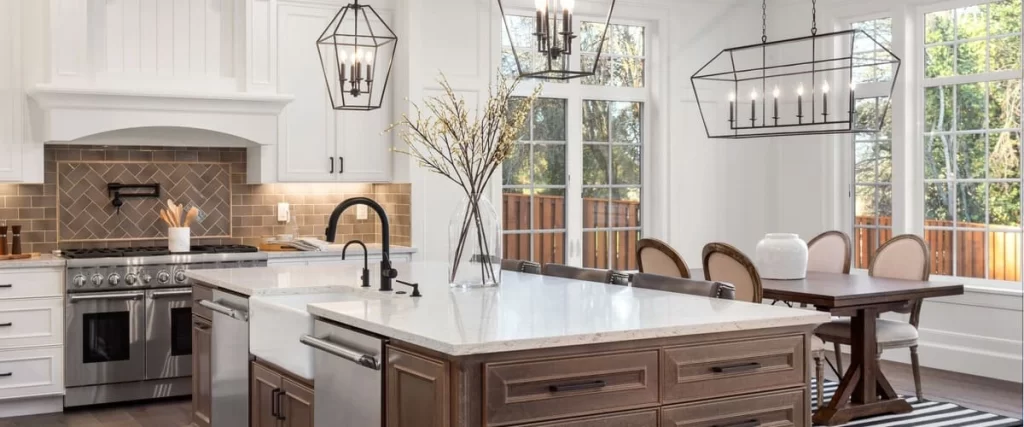
Solid wood looks beautiful. It feels substantial. It’s what people picture when they imagine their dream kitchen. But wood is hygroscopic, which is a fancy way of saying it absorbs and releases moisture constantly based on the environment around it.
Phoenix humidity swings wildly between monsoon season and the bone-dry winter months. Wood cabinets expand when moisture levels rise, then contract when everything dries out. This cycle creates stress on joints, causes cabinet doors to stick, and eventually leads to visible cracks.
The Forest Stewardship Council certifies sustainable wood sources, and many environmentally conscious homeowners prefer wood for good reasons. But even high-quality wood needs serious protection to survive desert conditions. If you’re set on wood cabinets, they need to be properly sealed on all surfaces, including the backs and undersides that most people never see.
Wood veneer over plywood cores handles temperature changes better than solid wood because the layered construction provides stability. The thin layers of wood glued in alternating grain directions resist warping. Plywood kitchen cabinets with quality veneer give you the wood look with better durability.
Medium-Density Fiberboard Works Better Than You’d Think
Medium-density fiberboard gets dismissed as cheap, but MDF medium density fiberboard has properties that make it surprisingly good for hot climates. Manufacturers compress wood particles with resin under high pressure, creating a material that’s denser and more stable than natural wood.
MDF doesn’t have grain, which means it expands and contracts uniformly in all directions. No warping. No twisting. The smooth surface takes paint beautifully, making it perfect for painted cabinet doors in styles like shaker doors where you want a flawless finish.
Here’s what makes MDF work in Phoenix:
- Stability under temperature changes means doors stay square and close properly
- Smooth surface eliminates the grain patterns that can telegraph through paint over time
- Cost-effective compared to solid wood, which matters when you’re working with a tight budget
- Takes moisture-resistant finishes well when sealed properly on all edges
The catch? MDF needs those sealed edges. Water penetration destroys it faster than most materials. Any exposed MDF will suck up moisture like a sponge. Professional installation matters here because sloppy cuts or drilling without proper sealing creates weak points.
Plywood Cabinets Balance Strength and Stability

Plywood cabinets use multiple thin layers of wood bonded together with grain running perpendicular between layers. This construction method creates exceptional durability and resistance to warping.
Cabinet boxes made from plywood hold screws better than particleboard or MDF, which matters for hinges and hardware that get used constantly. The layered structure resists moisture better, too, though you still want those sealed edges and moisture-resistant finishes.
Plywood costs more than MDF but less than solid wood. For cabinet boxes, it’s often the smart investment. Many high-end custom cabinets use plywood for structural components, even when the visible cabinet doors use other materials.
The visible grain can show through paint on plywood, which is why MDF often gets used for painted cabinet doors while plywood forms the cabinet boxes. Combining materials based on their strengths makes sense.
PVC and Thermofoil Offer Maximum Heat Resistance
PVC kitchen cabinets and thermofoil cabinets use synthetic materials that laugh at temperature swings. PVC cabinets are essentially plastic, formed into cabinet doors and sometimes entire cabinet boxes.
Thermofoil cabinets start with an MDF core, then get wrapped in a vinyl film applied under heat and pressure. The result looks like painted wood, but handles heat and moisture way better than actual painted surfaces.
Both options give you:
- Highly resistant to moisture and heat damage
- Easy maintenance with just a damp cloth and mild soap
- Consistent color that won’t fade in direct sunlight, the way painted wood can
- Affordable option for a full kitchen renovation without breaking the bank
The downsides? They can look less natural than wood, though quality has improved dramatically. Thermofoil can delaminate if exposed to extreme heat near stoves, so you need to be strategic about placement. PVC cabinets feel lighter and sometimes cheaper, though high-quality versions are convincing.
For bathroom cabinets where moisture is constant, these materials make huge sense. They won’t warp from shower steam or degrade from cleaning products.
Aluminum Cabinets for Garages and Extreme Conditions
Your dream garage deserves better than storing tools in warped particle board units. Aluminum cabinets handle Phoenix heat without even trying. They’re powder-coated for durability and scratch resistance, they resist moisture completely, and they’re basically indestructible.
Aluminum works great for:
- Garage storage where temperature control doesn’t exist
- Outdoor kitchens getting hit by direct sunlight all day
- Anywhere you need low maintenance and long-term durability
The metal construction means they cost more upfront. They also conduct heat, which can make contents warm. But for spaces where traditional materials fail quickly, aluminum delivers.
What Actually Matters for Arizona Homes
The Phoenix metropolitan area has specific building challenges that impact how materials perform. The Maricopa County Environmental Services Department tracks air quality and humidity data that shows just how extreme conditions get here.
When you’re choosing durable cabinet materials, think about where they’ll live in your home:
Kitchen cabinets near windows need materials that handle direct sunlight without fading or degrading. South and west-facing exposures are brutal. Bathroom cabinets need moisture resistance more than heat resistance. A traditional kitchen facing north might do fine with properly sealed wood, while a kitchen with huge west-facing windows demands tougher materials.
Mixing Materials Makes Sense
Nobody says you have to use one cabinet material throughout your entire home renovation. Budget-friendly choices work fine in some locations, while high-stress areas deserve more durable options.
Consider particleboard cabinets for areas like pantries where doors stay closed, and temperatures stay moderate. Use plywood or PVC for the main kitchen where daily use and heat exposure are constant. Go with MDF for painted cabinet doors in the bathroom, where the smooth surface and moisture resistance matter most.
Local cabinet stores understand these trade-offs because they see what actually holds up in Phoenix homes. They know which manufacturers properly seal their products and which ones cut corners that lead to failures down the road.
The Real Cost of Cheap Materials
A tight budget pushes people toward particleboard cabinets and the absolute cheapest options at big box stores. That budget-friendly approach costs more in the long run when cabinets fail after a few years.
Warped doors don’t close. Failed finishes look terrible. Moisture damage creates health issues beyond just aesthetics. Replacing cabinets that should have lasted 20 years after only five means paying for the same kitchen twice.
Different materials cost different amounts upfront, but they also deliver different value over time. MDF costs more than particleboard but lasts way longer. Plywood costs more than MDF but holds hardware better and resists damage. The cost-effective solution considers lifespan and performance, not just the initial price tag.
Installation Quality Matters as Much as Material Choice
The best durable materials fail if installation is sloppy. Unsealed cuts expose material to moisture. Improperly leveled cabinets stress joints and hardware. Skipped steps during installation create problems that show up months or years later.
Professional installation means someone who knows how to work with each material properly. MDF gets sealed on every cut edge. Plywood cabinets get properly secured to studs. Hardware gets installed with the right techniques, so soft-close hinges keep working and doors stay aligned.
LED lighting adds functionality and value, but it needs to be wired correctly. Smart storage solutions only work if the cabinet boxes are strong enough to support the weight. These details separate okay installations from ones that actually last.
Making Your Decision
Phoenix heat will test whatever materials you choose. The question becomes how long you want your cabinets to last and how much maintenance you want to deal with.
Wood gives you traditional beauty but demands proper sealing and care. MDF delivers painted finishes that stay smooth but need protected edges. Plywood balances cost and performance. PVC and thermofoil offer maximum resistance to environmental stress with some aesthetic trade-offs. Aluminum handles anything but costs more and looks industrial.
Your aesthetic preferences matter. So does your budget. So does whether you’re staying in this house for three years or thirty. An eco-friendly option might align with your values even if it costs slightly more or requires more maintenance.
The right choice depends on your specific situation, which is why talking through options with someone who knows local conditions helps.
Stop Researching and Start Building
You could spend weeks comparing the pros and cons of every cabinet material available. You could visit every local cabinet store in Phoenix, trying to understand the differences between core materials and surface finishes. You could stress about whether you’re making the smart investment or setting yourself up for expensive repairs.
Or you could talk to people who do this every day and actually know what holds up in Arizona heat.
We’ve built enough kitchens in Phoenix to know exactly which materials survive and which ones fail. We know how to seal edges properly, which finishes hold up to direct sunlight, and how to design storage that lasts. Check out our kitchen remodeling services to see how we approach projects differently.
Better yet, call us at (480) 999-6134 or message us here. We’ll walk through your space, talk about your budget and timeline, and show you exactly which materials make sense for your situation. No pushy sales pitch, just straight information so you can make a decision and move forward with your project.