
Phoenix ranks third in the entire country for mold sensitization rates among major metro areas, according to a national allergy study by Quest Diagnostics. Most West Phoenix homeowners have never heard that, and most would assume it can’t be right. A desert climate isn’t the protection against mold it seems like it should be. Monsoon season, AC condensation, tightly sealed homes, and hidden plumbing leaks all introduce enough moisture to feed mold colonies year-round.
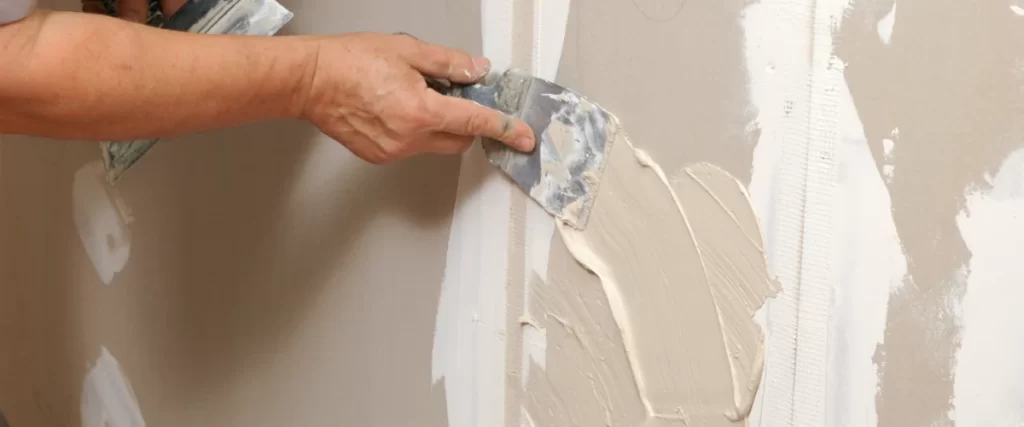
Standard drywall’s paper facing gives mold spores exactly the organic food source they need. Mold-resistant drywall takes that away, and for anyone renovating in West Phoenix, the upgrade pays for itself.
The Desert Myth, Debunked
The logic is understandable. Months of low outdoor humidity, blazing sunshine, and minimal rain. But indoor moisture doesn’t follow outdoor weather.
The EPA’s guide on mold and moisture makes the timeline uncomfortably clear: mold can begin growing within 24 to 48 hours of any moisture exposure. Not weeks. Not after a flood. Just a wall that doesn’t dry out fast enough.
West Phoenix homes produce and absorb moisture in ways that often go completely unnoticed:
- Air conditioning systems generate condensation that pools on ducts and inside wall cavities all summer long
- Monsoon season (June through September) regularly pushes outdoor humidity past 50%, and that air enters through vents, door gaps, and poorly sealed windows
- Slow plumbing leaks behind walls or under sinks create chronically damp pockets that can go undetected for months
- Bathrooms, laundry rooms, and kitchens trap moisture vapor from daily use, especially in tightly built modern homes with minimal natural airflow
A single slow drip behind drywall for a week is all it takes. No flood required.
The Problem With Standard Drywall
Standard drywall is a gypsum core wrapped in paper facing on both sides. Paper is organic. Mold spores treat organic material as a food source. That’s the whole problem.
Mold spores are already present in the air of virtually every home. Moisture is what activates them. If paper-faced drywall stays damp for more than a day or two, spores settle in, begin feeding, and start forming colonies. By the time a homeowner notices discoloration on a painted surface or a musty smell, the mold has typically been growing inside that wall for weeks.
Home inspectors in Phoenix consistently flag water-damaged standard drywall behind showers and under bathroom sinks as one of the most common findings in homes that were never renovated with moisture-specific materials in mind.
How Mold-Resistant Drywall Works
Mold-resistant drywall uses fiberglass facings in place of paper, removing the organic surface that mold needs to get established. Most products also treat the gypsum core with antimicrobial additives to further inhibit mold growth from within the board.
| Feature | Standard Drywall | Mold-Resistant Drywall |
| Facing material | Paper (organic) | Fiberglass (non-organic) |
| Core treatment | None | Antimicrobial additives |
| Moisture resistance | Low | High |
| Recommended for wet areas | No | Yes |
Worth clarifying before anyone heads to the hardware store: green board is not mold-resistant drywall. Green board applies a moisture-resistant coating over paper facing, and that paper can still absorb water and feed mold under sustained exposure. Products like Purple XP use non-paper facings that eliminate the organic food source entirely, which is a meaningful difference.
Where It Makes the Biggest Difference
Not every room in a West Phoenix home carries the same level of risk. These areas are where moisture-resistant materials matter most:
- Bathrooms and powder rooms, where steam and splashing create near-daily moisture exposure
- Laundry rooms, where moisture vapor from washing and drying cycles accumulates fast in small, often underventilated spaces
- Kitchens, particularly behind backsplashes, under the sink, and around dishwasher connections
- Any wall running alongside active plumbing, which may never look wet but can sweat behind the surface year-round
If you’re renovating a bathroom and thinking through the full wall system beyond just the drywall, our blog on shower panels vs. shower tiles walks through which surface materials hold up best in high-moisture conditions.

What Happens When You Skip It
Mold remediation in a Phoenix home can run from a few hundred dollars to several thousand, depending on how far growth has spread behind walls and under surfaces. Home resale values drop between 20% and 37% when visible mold is present, and roughly half of potential buyers walk away from a deal after mold is disclosed, even when remediation is already complete.
The health side is just as serious. The CDC’s guidance on indoor mold exposure connects sustained mold growth to respiratory problems, chronic allergic reactions, and worsened asthma symptoms. For households with young children or elderly residents, poor indoor air quality from active mold colonies is a real health risk.
West Phoenix homes face a range of environmental pressures beyond moisture. If you want to understand what else the Arizona climate does to home materials over time, our piece on common home issues caused by Arizona sand storms is a useful read before any major renovation.
FAQ
Does Phoenix require mold-resistant drywall by code? It depends on the scope and location of the project. The City of Phoenix Building Services Department maintains current residential construction requirements, and confirming with them before ordering materials is the most reliable approach.
Does mold-resistant drywall replace the need for ventilation? No. These materials reduce risk significantly, but they work alongside proper ventilation, not in place of it. Exhaust fans in bathrooms and laundry rooms are still important for moisture control.
Is the price difference significant? The cost gap between standard and mold-resistant drywall is modest on most renovation budgets. Compared to the average expense of professional mold remediation, the math strongly favors spending the difference upfront.
If all of this sounds like a lot to manage before a renovation even starts, that’s a fair reaction. Our team at Offcut Interiors handles material selection, moisture management, and proper installation as part of every project, so you’re not piecing it together on your own. Take a look at our whole home remodeling services to see how we approach renovations from the walls in, or call us at (480) 999-6134 or message us here to talk through what your home needs.