
Monsoon season is genuinely hard on bathrooms. Humid air pushes indoors, lingers in corners, and gives mold exactly what it needs to spread. If you’re remodeling, the materials you choose and how you handle ventilation will make or break the finished space.
Excess moisture seeps into drywall, destroys grout lines, causes peeling paint, and creates health risks that most homeowners don’t catch until the damage is already done.
What Warm, Moist Air Does to a Bathroom
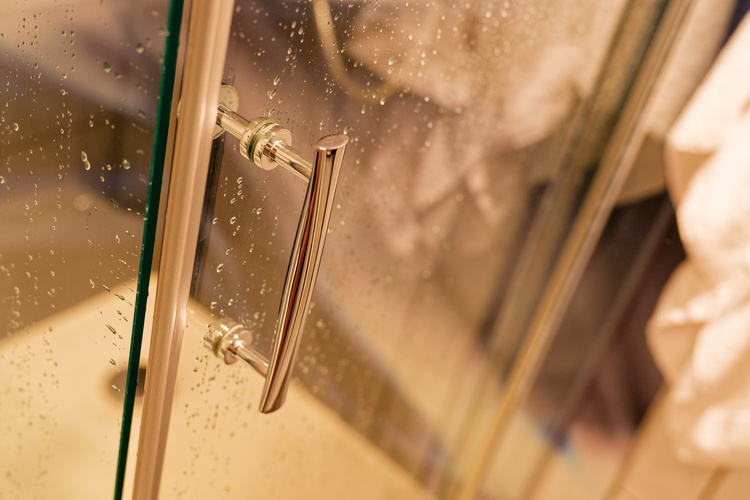
A bathroom is already producing water vapor throughout the day. Add monsoon humidity to the mix, and the air circulation that normally keeps a space dry just can’t keep up.
The problem starts when humid air meets cold surfaces like tiles, mirrors, or uninsulated pipes. That contact creates condensation, and condensation soaks into whatever it lands on. Grout lines, drywall, wood trim, and flooring can all absorb moisture before they have a chance to dry out.
According to the EPA’s mold and indoor humidity guidance, indoor relative humidity should stay below 60%, ideally between 30% and 50%. A poorly ventilated bathroom during peak monsoon season can blow past that threshold within minutes of a hot shower.
The Damage Is Usually Hidden First
Many homeowners don’t notice lingering moisture until it becomes an obvious problem. By then, it’s already inside the walls.
Here’s a quick look at how excess moisture works through different parts of a bathroom:
| Area | What Moisture Does | Signs to Look For |
| Drywall | Softens and becomes a surface for mold | Musty smells, soft spots near the base |
| Grout lines | Crack and allow water penetration | Staining, crumbling edges |
| Paint | Bubbles and peels from the surface | Visible blistering near ceiling |
| Subflooring | Swells, warps, or rots over time | Soft or bouncy floor underfoot |
| Ceiling | Stains from trapped moisture above | Discoloration, water rings |
These aren’t cosmetic problems you can just paint over. Structural damage from persistent moisture leads to expensive repairs that a well-planned remodel would have prevented entirely.
Where Most Bathrooms Fall Short: Ventilation
Poor ventilation is the most common reason bathrooms develop mold and mildew problems. An exhaust fan that’s undersized, incorrectly vented, or simply never used does almost nothing against high indoor humidity levels.
A few things worth getting right:
- Exhaust fans should be matched to the bathroom’s square footage, not just meet a bare minimum spec
- The fan must vent outside, not into an attic or wall cavity
- Running the fan during a shower isn’t enough; keep it going for at least 20 minutes after
Air conditioning does real work here too. It cools the air and pulls water vapor out at the same time, which makes it far more useful during monsoon season than opening windows, since outdoor air can bring in even more humid air than it removes.
In bathrooms without any exterior wall, mechanical ventilation becomes the only reliable way to move moist air out of the space entirely.
Materials That Hold Up to High Humidity
A remodel planned around moisture control looks different from a standard one. What’s behind and beneath wet surfaces matters as much as what’s visible.
Standard drywall absorbs moisture and fails. Cement board and green board are built for wet environments. Vapor barriers installed behind tile walls stop moisture penetration before it ever reaches the framing. Mold resistant paints on surrounding walls slow mildew growth between cleanings, particularly in corners and ceiling edges where humid air tends to collect.
Some specifics worth building into any bathroom remodel in a high-humidity area:
- Vapor barriers behind wall assemblies, especially in shower surrounds
- Cement board in place of regular drywall in wet zones
- Grout sealer applied at installation, then reapplied annually
- Mold-resistant paints formulated specifically for high-humidity spaces
For wall surfaces that take the most direct moisture exposure, non-porous options eliminate grout lines as a weak point entirely. Our breakdown of Corian shower walls covers how seamless surfaces handle persistent moisture differently from tile, and it’s worth reading before you commit to a material. If you’re comparing wall systems more broadly, the post on shower panels versus tiles covers the tradeoffs in detail.
Flooring needs the same thought. Some materials handle sustained humidity better than others, and the wrong choice leads to swelling or mold underneath the surface well before it shows above it. Our post on hardwood floors in bathrooms is worth a look if you’re weighing natural materials for the floor.
The Health Angle Is Real
Moisture control matters beyond the building itself. The EPA identifies unvented bathrooms as among the most common sites for mold and biological contaminants, with spores circulating through the air and affecting indoor air quality for everyone in the home. Children, elderly residents, and anyone with asthma or respiratory sensitivities face a higher risk from mold exposure than most people assume.
A well-ventilated, moisture-controlled bathroom doesn’t just protect the structure. It protects the people in it.

FAQ
Does monsoon season actually speed up mold growth? Yes. Mold needs sustained moisture, and monsoon air supplies it consistently. A bathroom that manages humidity fine in winter can develop mold problems within weeks once outdoor humidity climbs.
What’s the best option for a bathroom with no windows? A properly sized exhaust fan vented to the outside is the most reliable fix. A dehumidifier can help in colder months when the fan alone isn’t enough to reduce humidity levels.
What are the early signs of hidden mold inside walls? Musty odors that persist even after cleaning, soft spots in drywall near the tub surround, and peeling paint near the ceiling are all early signs worth investigating before a remodel starts.
Can baking soda help with moisture control? It absorbs a small amount of moisture and neutralizes musty odors in enclosed spaces. Think of it as a maintenance tool, not a substitute for proper ventilation.
Or, You Could Just Call Us
Sizing exhaust fans, sourcing vapor barriers, choosing between cement board and green board, sealing grout lines before the season hits, there is a real amount of detail involved in getting a bathroom remodel right in a humid climate. Most people don’t want to become materials experts just to get a bathroom they actually love living in.
The team at Offcut Interiors handles all of that. The planning, the material decisions, the ventilation strategy, it’s all built into the process so you’re not guessing midway through a remodel. Take a look at our bathroom remodeling services to get a sense of what’s possible, or call us at (480) 999-6134 or message us here to talk through your project.