
Arizona homeowners know the struggle. White spots on shower doors, crusty faucets, and appliances that quit years earlier than they should. Hard water issues are more than annoying; they’re expensive.
The state’s water supply, drawn largely from the Colorado River and underground aquifers, carries some of the highest mineral content in the country. According to the U.S. Geological Survey, Arizona’s water hardness levels frequently exceed 200 parts per million, putting it firmly in the “very hard” category. That high mineral content, primarily calcium and magnesium ions, wreaks havoc on everything water touches.
What Makes Arizona’s Hard Water So Destructive?
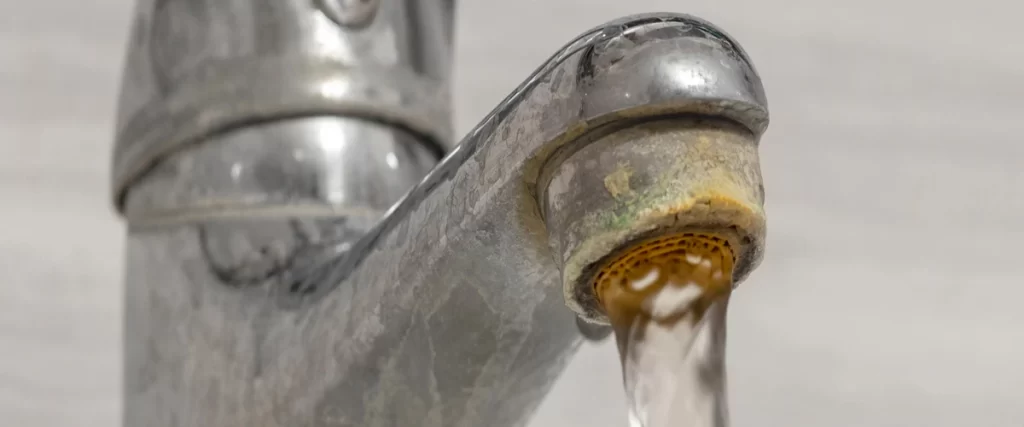
Hard water contains dissolved minerals that don’t just disappear when water evaporates. Calcium and magnesium leave behind mineral deposits on every surface. Over time, these deposits transform into scale buildup that clogs pipes, coats heating elements, and destroys the efficiency of your plumbing system.
Think about what happens inside your water heater. Those heating elements work harder to warm water through a growing layer of mineral buildup. Energy consumption climbs. The heater strains. Eventually, those heating elements fail, and you’re looking at costly repairs or complete replacement.
Washing machines face the same fate. Scale accumulates in hoses, valves, and drums. Water flow becomes restricted. The machine compensates by working harder, which drives up energy bills and dramatically shortens its lifespan. A washing machine that should last 10-12 years might quit after 6 or 7 when battling Arizona’s hard water daily.
The Hidden Costs Throughout Your Home
Your Plumbing Fixtures Pay the Price
Faucets develop that familiar white crust. Showerheads become partially blocked, reducing water pressure to a trickle. Toilet tanks fill with mineral deposits that interfere with flush mechanisms. Each fixture slowly deteriorates under the constant mineral assault.
Soap scum multiplies the problem. Hard water prevents soap from dissolving properly, leaving leftover residue on every surface. You end up using more soap to get less clean, and that residue combines with mineral deposits to create an even tougher coating on shower doors, tubs, and sinks.
Appliances Suffer and Fail
Your dishwasher struggles to rinse dishes properly. Spots and film coat your glassware. The machine’s spray arms get clogged with limescale buildup, preventing water from reaching all the dishes.
Coffee makers, ice makers, and other appliances connected to your water supply face the same challenges. Scale accumulates internally, where you can’t see it, reducing efficiency and lifespan until the appliance simply stops working.
Personal Comfort Takes a Hit
Hard water strips away natural oils from skin and hair. You might notice dry skin, itchy skin, or hair that feels brittle and dull. The minerals prevent soap and shampoo from rinsing away completely, leaving a film that irritates and dries out your skin.
Some people develop more serious reactions. The constant mineral exposure can worsen eczema and other skin conditions, making daily showers uncomfortable instead of refreshing.
How Hard Water Damages Your Plumbing System
| Component | How Damage Occurs | Result |
| Pipes | Mineral buildup narrows the interior diameter | Reduced water pressure, eventual blockages |
| Water Heater | Scale coats heating elements and tank interior | Higher energy use, shorter lifespan, failure |
| Faucets & Valves | Deposits jam moving parts and clog aerators | Leaks, drips, complete valve failure |
| Appliances | Scale blocks water flow and coats components | Poor performance, higher energy consumption, early failure |
Left unchecked, hard water problems compound over time. That barely noticeable reduction in water pressure today becomes a major flow problem next year. The slight increase in your utility bills grows into hundreds of extra dollars annually.
Solutions That Actually Work
Water Softener Systems

A traditional water softening system uses ion exchange to remove calcium and magnesium ions from your water. Salt-based systems are the most effective solution for truly hard water. They replace those problematic minerals with sodium ions, giving you softer water throughout your entire home’s plumbing.
The benefits are immediate and noticeable:
- Cleaner dishes without spots or film
- Softer skin and hair that feels healthier
- Extended appliance life because mineral buildup stops forming
- Lower energy bills as water heaters and other appliances work more efficiently
- Better water flow through pipes and fixtures
Salt-Free Water Conditioners
Salt-free systems take a different approach. Rather than removing minerals, they alter them at a molecular level so they don’t stick to surfaces as easily. These systems don’t actually soften water by reducing hardness, but they prevent some scale formation.
They work best for moderately hard water. Arizona’s extremely high mineral content often exceeds what salt-free conditioners can handle effectively.
Reverse Osmosis Systems
Reverse osmosis filters water at the point of use, typically under your kitchen sink. An RO system removes minerals and other contaminants, providing excellent drinking water. However, osmosis systems only treat water at one tap. They won’t protect your plumbing fixtures, washing machines, or water heater throughout the house.
Many homeowners combine a whole-house water treatment system with a reverse osmosis system, using a water softener for the entire house and an RO system for drinking water.
Descaling Agents and Maintenance
If you already have mineral buildup, descaling agents can help remove existing deposits from appliances and fixtures. Baking soda mixed with vinegar works for visible soap scum and light scale. Commercial descaling products handle heavier limescale buildup.
Regular cleaning helps, but it doesn’t prevent new deposits from forming. You’re treating symptoms rather than solving the root problem.
Choosing the Right Solution for Your Home
Water quality testing reveals your specific hardness levels and helps determine which treatment approach makes sense. Generally safe doesn’t mean problem-free—even if Arizona’s water meets safety standards for consumption, those dissolved minerals still damage your plumbing and appliances.
For most Arizona homes dealing with very hard water, a comprehensive water softening system offers the best solution. Professional installation ensures the system is sized correctly for your household’s water use and plumbing system configuration.
Some homeowners worry about sodium in softened water. The amount added during ion exchange is minimal and doesn’t significantly affect drinking water for most people. Pairing a whole-house softener with a reverse osmosis system for drinking water addresses this concern while protecting your entire plumbing system.
Telltale Signs You Need Water Treatment
You might already be experiencing hard water damage:
- White or greenish deposits around faucets and showerheads
- Shower doors covered in film that won’t wipe clean
- Appliances are breaking down more frequently than expected
- Noticeably higher energy bills without explanation
- Constant battles with soap scum
- Clothes that feel stiff after washing
- Reduced water pressure throughout your home
The sooner you address these issues, the less damage accumulates and the more money you save on repairs and energy costs.
Frequently Asked Questions
How hard is Arizona’s water compared to other states?
Arizona consistently ranks among the states with the hardest water in the nation. While the national average sits around 150 parts per million, many Arizona communities measure 200-400 PPM or higher. The Phoenix metropolitan area and Tucson both deal with extremely hard water due to their reliance on the Colorado River and mineral-rich groundwater.
Can hard water actually damage my plumbing permanently?
Yes. Mineral deposits narrow pipes over time, sometimes completely blocking older galvanized pipes. Even in newer copper or PEX plumbing, scale buildup reduces water flow and increases pressure on joints and connections, leading to leaks. Water heaters are particularly vulnerable—severe mineral buildup can corrode tanks from the inside, causing premature failure.
Will a water softener make my water slippery?
That “slippery” feeling is actually what clean skin feels like. Hard water leaves mineral residue and undissolved soap on your skin, creating friction that feels “normal” if that’s what you’re used to. Softened water allows soap to rinse away completely, along with your skin’s natural oils, which creates that smooth sensation. Your skin is actually cleaner.
How much does it cost to run a water softener?
Operating costs are surprisingly low. A typical household uses 40-80 pounds of salt per month, costing $5-15 depending on salt prices. The energy to run the system adds just a few dollars to monthly utility bills. Compare that to the hundreds you’ll save on reduced energy consumption, fewer repairs, and appliances that last years longer.
Are there health concerns with softened water?
For most people, no. The sodium added during ion exchange is minimal. Someone on a strict low-sodium diet might want to use a reverse osmosis system for drinking and cooking water while still benefiting from a whole-house softener. Consult your doctor if you have specific health concerns about sodium intake.
Does This Sound Like Too Much Hassle?
Here’s the thing: dealing with hard water problems is exhausting. Testing water hardness, researching treatment systems, arranging professional installation, and maintaining equipment. Maybe you’d rather have someone handle all of it.
That’s where we come in. At Offcut Interiors, we don’t just help with surface-level fixes. We address the underlying issues that affect your entire home, including water quality problems that damage your kitchen and bathroom fixtures. Our team understands how Arizona’s hard water impacts every aspect of your home’s functionality and appearance.
Thinking about a kitchen upgrade? Hard water damage often becomes most visible in kitchens, where mineral deposits coat sinks, faucets, and appliances. When you’re ready for that transformation, check out our kitchen remodeling services to see how we can help you create a space that looks amazing and functions beautifully, even with Arizona’s challenging water conditions.
Want to discuss your specific situation? Call us at (480) 999-6134 or message us here. We’ll talk through what’s happening in your home and find solutions that actually work.